








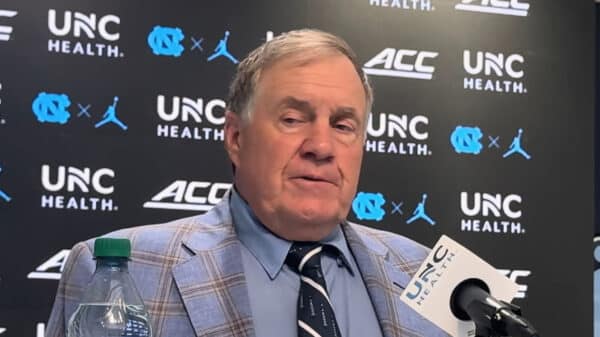






While he earned a reputation as the “Portal King” during his time at Ole Miss, Lane Kiffin recently revealed that attracting top talent to Oxford was often a steeper uphill battle than at other programs within the Southeastern Conference. In a candid discussion with Vanity Fair, Kiffin pointed to the university’s historical associations and the cultural environment of the area as significant hurdles in the recruiting process, particularly for Black families.
Now leading the program at LSU, Kiffin highlighted the stark contrast between Oxford and Baton Rouge. He noted that the diversity of a city like Baton Rouge serves as a major selling point, shifting the tone of the conversations he has with high-profile prospects and their support systems.
“‘Hey, coach, we really like you. But my grandparents aren’t letting me move to Oxford, Mississippi.’ That doesn’t come up when you say Baton Rouge, Louisiana. Parents were sitting here this weekend saying the campus’s diversity feels so great: ‘It feels like there’s no segregation. And we want that for our kid because that’s the real world.'”
Following the publication of the interview, Kiffin reached out to clarify that his observations were not intended as a slight against Ole Miss. Instead, he explained that he was simply providing a factual account of the real-world feedback he received from recruits while coaching the Rebels. He emphasized that these obstacles are a reality of the landscape rather than personal criticisms of the institution.
Historical Recruiting Challenges and Confederate Imagery at Ole Miss
The difficulties Kiffin described are far from a new development for the Ole Miss football program. For decades, the university has struggled to balance its “Old South” traditions with the modern requirements of a competitive, inclusive athletic department. Kiffin’s comments echo those made by previous coaches who found themselves at odds with the school’s symbols.
In 1996, then-head coach Tommy Tuberville faced similar resistance regarding the presence of Confederate flags at Vaught-Hemingway Stadium. Historical accounts, such as those in Jay Busbee’s “Iron in the Blood,” detail Tuberville’s blunt assessment to university leadership. He famously told Chancellor Robert Khayat that the program simply could not recruit effectively against that imagery, noting that the flags were a primary reason the Rebels were losing out on elite Black players to rival schools. By 1997, Tuberville took a public stand, requesting that fans stop bringing the flags to home games to help modernize the program’s image.
The Long Road to Rebranding the Rebels
Ole Miss has taken several high-profile steps over the years to distance its athletic department from Confederate ties. A major shift occurred in 2003 when the university retired the “Colonel Reb” mascot from its official duties. The process of finding a new identity was a lengthy one; the school first introduced the “Rebel Black Bear” in 2010 before eventually landing on “Tony the Landshark” as the current official mascot.
These internal changes mirror broader cultural shifts within the state of Mississippi. In 2020, following pressure from student-athletes—most notably Mississippi State star Kylin Hill, who vowed not to play unless the state flag was updated—Mississippi officially removed the Confederate battle emblem from its flag. This movement highlighted the growing influence of modern athletes in demanding social and cultural changes from the institutions they represent.
Regional Shifts in the SEC Recruiting Landscape
The push to eliminate controversial symbols is a recurring theme across the SEC footprint, not just in Mississippi. In 2007, legendary South Carolina coach Steve Spurrier made headlines by advocating for the removal of the Confederate flag from the statehouse grounds, calling it a necessary step for progress. His efforts, alongside those of many others, eventually saw the flag removed in 2015.
Kiffin’s recent comments serve as a reminder that in the highly competitive world of college football, a program’s cultural environment is just as vital as its facilities or NIL opportunities. As SEC programs continue to evolve, the emphasis on creating an inclusive, diverse “real world” atmosphere has become a cornerstone of successful recruiting strategies.
Summary of the Shifting Dynamics in College Football Culture
Lane Kiffin’s transition from Ole Miss to LSU has shed light on the persistent role that local culture and institutional history play in recruiting elite athletes. While Ole Miss has made significant strides in rebranding and distancing itself from its Confederate-linked past, Kiffin’s experiences suggest that the perception of a school’s environment remains a deciding factor for many families. As the SEC continues to lead the way in collegiate athletics, the focus on diversity and modernization remains essential for any program looking to compete at the highest level on the national stage.