
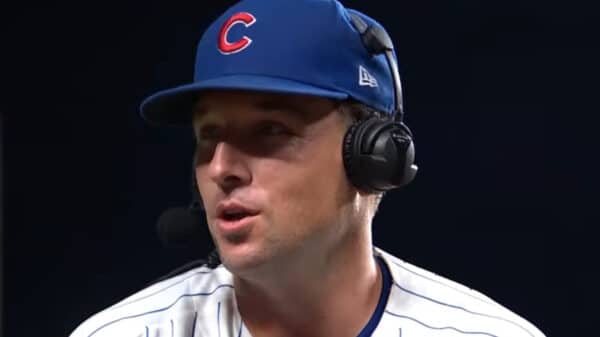

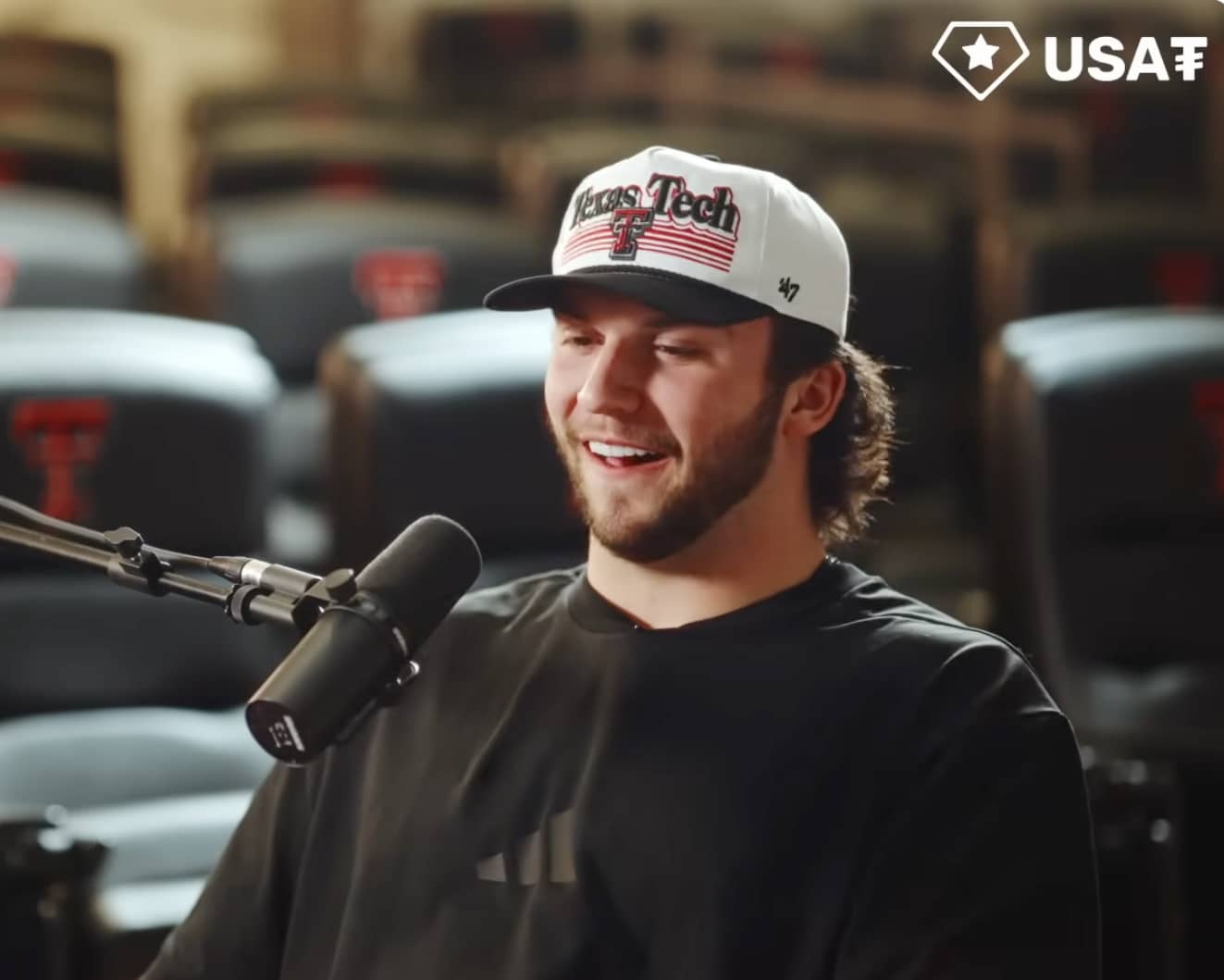
The football career of Texas Tech quarterback Brendan Sorsby hangs in the balance as a Lubbock courtroom prepares to hear his case this Monday. Sorsby, a senior leader for the Red Raiders, is fighting a permanent ineligibility ruling handed down by the NCAA following allegations of sports wagering involving games played by his own team.
The legal maneuver centers on a request for an injunction. If granted, this would permit Sorsby to suit up for the 2026 college football season while his broader litigation against the NCAA moves through the legal system. This court action follows a previous attempt at reinstatement through the NCAA’s internal channels, which was ultimately rejected.
Sorsby has assembled a formidable legal team to challenge the governing body’s decision. Leading the charge is Jeffrey Kessler, a renowned sports litigator famous for brokering the landmark House v. NCAA settlement. Joining Kessler is Dustin Burrows, a high-profile attorney who also serves as the Speaker of the Texas House of Representatives.
Legal documents reveal that Sorsby confessed to making hundreds of wagers over a four-year period. The filings suggest that he utilized third parties—including friends and family—to place bets on his behalf even after joining the Texas Tech program. Notably, investigators found at least 40 wagers placed on Indiana football during his tenure with the Hoosiers. Under current NCAA regulations, any student-athlete found betting on their own university or team faces a lifetime ban from collegiate competition.
In response to the investigation, Sorsby voluntarily entered a residential treatment facility specializing in gambling addiction. After several weeks in the program, he was released recently and spent time with his family before returning to Lubbock for the upcoming hearing.
“I am incredibly proud of Brendan for taking the necessary steps to address his gambling addiction,” stated Texas Tech head coach Joey McGuire. “Our program remains fully committed to supporting him throughout this journey.”
Legal Arguments Focus on Mental Health and NCAA Commercial Ties
Sorsby’s attorneys are building a defense centered on mental health, arguing that his actions were a symptom of a serious clinical condition. The legal team contends that Sorsby’s anxiety and gambling disorder were exacerbated by the NCAA’s own commercial relationships with the sports betting industry.
The defense team’s filings take a sharp tone, alleging that the NCAA is using Sorsby’s struggle to maintain a “facade of competitive integrity” while simultaneously generating revenue from the gambling markets it regulates. They argue these extenuating circumstances should be considered when determining his eligibility.
The NCAA has countered with a forceful rebuttal, asserting that allowing a player to compete after wagering on their own games would be a dangerous and unprecedented move. Sports betting remains strictly prohibited across all professional and amateur levels. This case emerges amidst a backdrop of several federal investigations into game tampering and sports wagering scandals within the NBA and collegiate basketball.
Despite the controversy, the university administration has remained steadfast in its support. Texas Tech President Lawrence Schovanec issued a public statement suggesting that Lubbock provides the ideal environment for Sorsby’s recovery, specifically pointing to the university’s specialized addiction research and clinical centers.
Coach McGuire reiterated this sentiment during the Big 12 meetings, noting Sorsby’s honesty throughout the process. While acknowledging that disciplinary actions are warranted, McGuire argued that a total career ban is excessive. He emphasized that being part of the team at Texas Tech is a vital component of Sorsby’s ongoing rehabilitation.
Monday’s Hearing to Determine Immediate Future
Judge Ken Curry will preside over Monday’s proceedings. The scope of this specific hearing is narrow: the judge will decide only whether to grant the temporary injunction. He does not have the authority to overturn the NCAA’s underlying punishment at this stage.
A victory for Sorsby in the form of an injunction would suggest the court sees merit in his claims and recognizes that missing the season would cause irreparable harm to his career. Conversely, a denial would likely signal the end of Sorsby’s time in college football, as the legal process would almost certainly outlast his remaining window of eligibility.
The case saw a change in leadership after Judge Phillip Hays, a Texas Tech alumnus, recused himself from the proceedings. Judge Curry, a retired jurist with extensive experience, was brought in to handle the high-stakes decision.
Professional Prospects and the NFL Supplemental Draft
Before the gambling probe, Sorsby was considered one of the premier talents in the transfer portal, moving from Cincinnati to Texas Tech with high expectations. His potential presence on the field in 2026 would significantly impact the Big 12 landscape. During his time at Cincinnati, he proved to be a versatile dual-threat, passing for 2,800 yards and 27 touchdowns while contributing heavily in the run game.
Should the court rule against him, Sorsby may look toward the 2026 NFL Supplemental Draft. This path is rarely taken and even more rarely successful; the NFL hasn’t seen a player selected in the supplemental draft since 2019. However, for a player of Sorsby’s caliber, it may be the only remaining avenue to professional football.
Quarterback Depth and the Rise of Will Hammond
If Sorsby is unable to play, Texas Tech will turn to its internal depth. The coaching staff has expressed significant confidence in Will Hammond, a highly touted prospect who is currently working his way back from a torn ACL. Hammond is currently on a recovery schedule that could see him return to full practice by late August.
The Red Raiders anticipate Hammond being ready for game action by Week 3, just in time for a critical matchup against Houston. McGuire noted that Hammond’s talent is the reason the team wasn’t aggressively searching for another starter in the transfer market before the Sorsby situation developed.
Hammond has already shown flashes of his potential, including a strong performance against Utah where he led the team to a decisive victory. Beyond Hammond, the roster includes Lloyd Jones III and Tulsa transfer Kirk Francis, both of whom have collegiate experience. The program also added freshman Stephen Cannon, providing further insurance for the quarterback room.
Final Thoughts
The outcome of Brendan Sorsby’s legal battle will serve as a landmark moment for the NCAA’s gambling policies in the modern era of legalized sports betting. As the court weighs mental health concerns against the integrity of the sport, Texas Tech must prepare for two very different futures: one led by a high-priced veteran and another centered on a promising young talent returning from injury. Monday’s ruling will dictate which path the Red Raiders take for the 2026 season.